China's Custom Cosmetic Packaging Provider Since 2005
Sign In Contact
Home › Packaging Formats › Bottles › Bottles & Jars

Bottles

Bottles & Jars

Spray, lotion, foam, airless, dropper, pump, squeeze and PET bottles, cream jars, deodorant sticks, refill formats and tubes — over 1,500 formats from the product catalogues of manufacturing partners. Most catalogues print capacity, neck and overall size per format as tables, and some print the bottle weight as well; where a catalogue publishes an album instead, each format is shown with a product photograph above and a technical drawing below, in the chapters its source prints; where a catalogue prints one capacity per format and no other column, that capacity is what the card carries. None of it is stock: every format is made to order, and capacity and dimensions are re-confirmed against your formula and fill weight before tooling.

New to these catalogues? Four decisions narrow a quote — read them below.

Browse by product category 7 groups
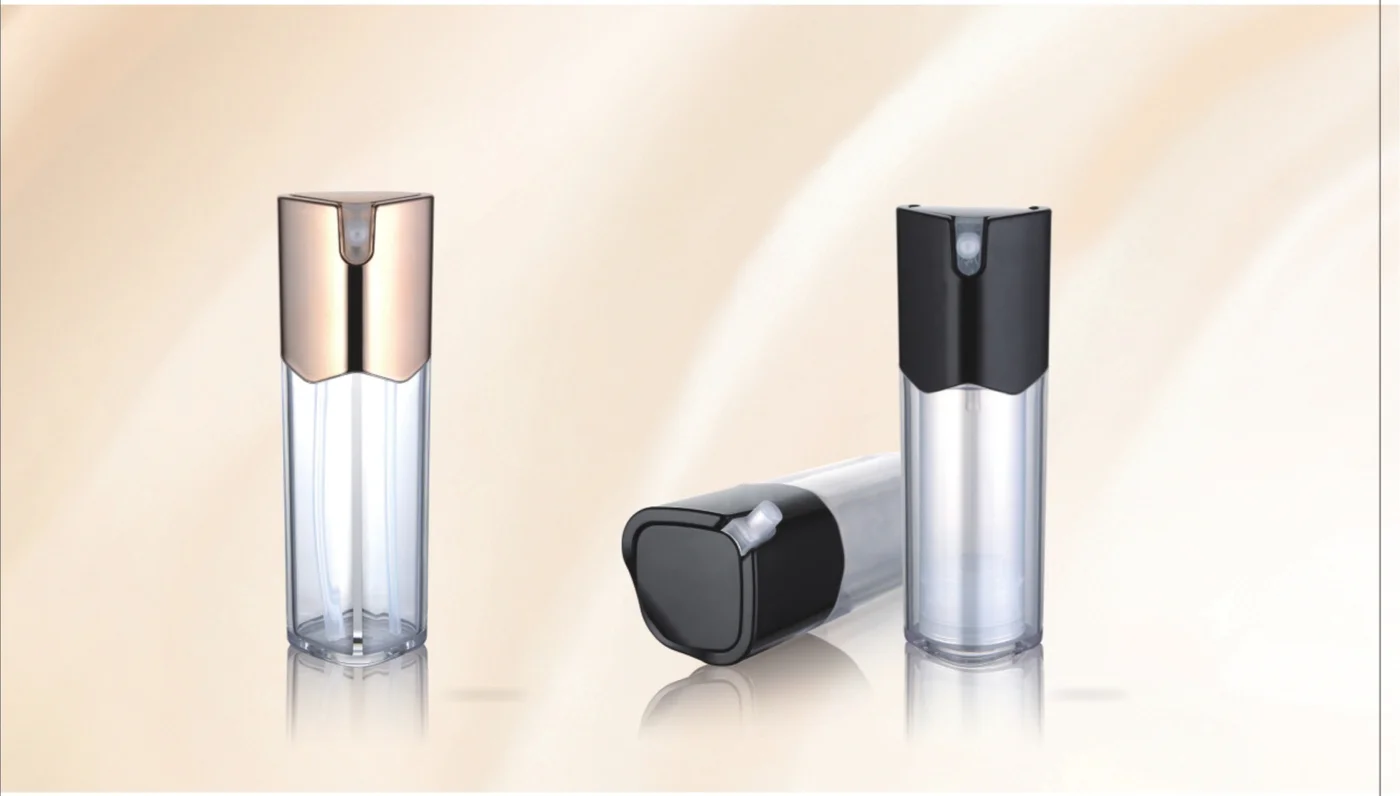
Bottles & Jars — the formats in this catalogue, photographed as published in its source.

Dropper, Lotion, Pump, Spray & Shampoo

53 formats · 52 source plates · per-plate dimensions

Open this catalogue →
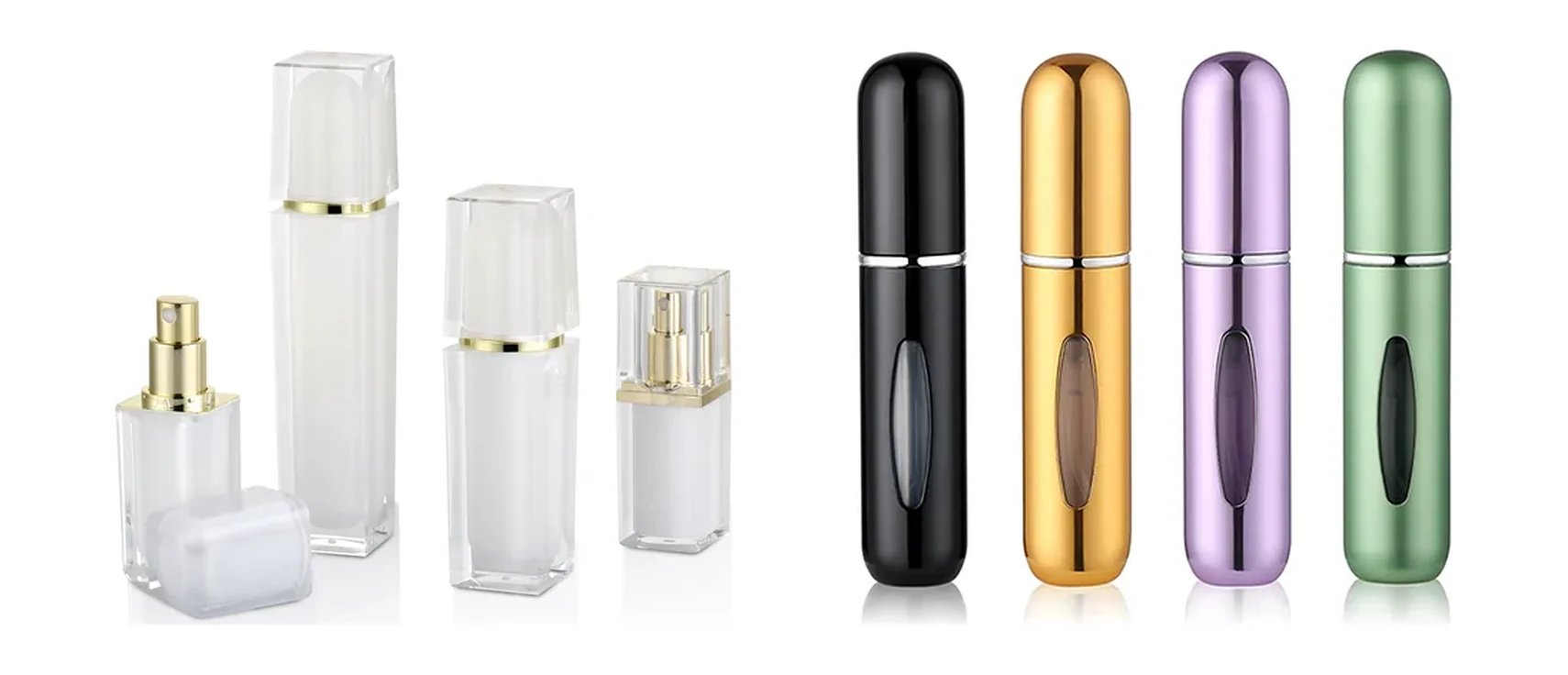
Bottles & Jars — the formats in this catalogue, photographed as published in its source.

438 Formats in Seven Chapters

438 formats · product photograph and technical drawing per format

Open this catalogue →

Choosing a bottle or jar: four decisions

The catalogues above are organised by source, not by application; the category index is an application-led shortcut across them. Before a quote is useful, four things narrow the list.

  • How the product is dispensed. A lotion, a serum, a foam and a gel do not leave the container in the same way. Tell us the carrier, the viscosity and the fill weight; we confirm the dispensing format and the materials that contact the formula before tooling.
  • How much goes in. Capacity on these pages is the figure the source catalogue prints. It is not a fill recommendation: the usable fill depends on the formula, the closure and the headspace you need. We re-confirm it against your fill weight.
  • How it closes. Neck finish and thread are not printed consistently across these catalogues; where a catalogue does not print them, they are confirmed per project rather than inferred from a photograph.
  • How it is finished. Spray coating, printing, hot stamping, plating and labelling are chosen after the format, and confirmed on the actual substrate; the same process is not specified the same way for every material.

How to read the figures on this page

Each catalogue prints its own table, and the columns differ. Some print capacity, neck and overall size; some add bottle weight; one publishes brim-full capacity with a technical drawing. A column a catalogue does not print is left out, and a blank cell stays blank. Model codes and thread specifications are not reproduced here: they are project information, not page claims.

If you already have a format in mind, we will tell you which catalogue prints it and what the source does not.

Send a photo, drawing or fill weight →

The catalogues are listed separately because the dimension tables belong to them: which figures a table carries, and which columns exist at all, differ from one catalogue to the next. Reading a capacity or a neck size inside the catalogue that printed it is what keeps the number attached to the page it came from — a single merged table here would have to quietly drop the columns one catalogue prints and another does not.

Stay Ahead in Packaging

Regulation deadlines, new packaging formats, and what buyers are asking for.

Occasional packaging updates only. Unsubscribe anytime. Privacy Policy

Chat with us