
EU PPWR — What You Need to Know
PPWR (Regulation (EU) 2025/40) applies directly in all EU member states — no national transposition. Cosmetic packaging counts as contact-sensitive plastic packaging, which faces stricter requirements. Here's how JUMBO China helps you stay ahead.
| 12 Aug 2026 | Core obligations in force: Declaration of Conformity (DoC), recyclability assessment, PCR documentation, EPR registration per country |
| Aug 2028 | Harmonised EU pictogram labelling |
| 1 Jan 2030 | 35% PCR most plastic packaging (contact PET 30%, other contact plastics 10%), DfR grade C minimum, retail refill stations, hotel miniatures banned |
| 2038 | Only DfR grades A/B on the market |
Recyclability Requirements
From 2030, packaging on the EU market must meet Design for Recycling (DfR) grade C or higher; by 2038 only A/B. Multi-material, non-separable designs typically score D/E and become unmarketable. We design single-material and PCR options against these requirements.
- Single-material packaging (mono-PP, mono-PET, ≥95% single polymer)
- PP springs replace metal springs; same-polymer labels
- Design-for-recyclability consulting & material reduction
PCR Content Mandates
By 2030: 35% PCR in most plastic packaging (contact-sensitive PET 30%, other contact plastics 10%, non-contact 35%). From Aug 2026 you must hold PCR documentation and mass balance certificates. Our PCR rPET and rPP options can be supplied with the recycler's recycled-content certificate and mass balance documentation, according to your project's requirements.
- Post-consumer recycled PET (rPET), PP (rPP), HDPE (rHDPE)
- Recycler's recycled-content certificate + mass balance documentation (per project requirements)
- PCR supply secured — lock your material before 2027 bottlenecks
Documentation & Compliance
We pass through the documents that come with the material — data sheets, test reports and the material maker's own declarations — and we support the Declaration of Conformity for your order. We do not issue certification ourselves: a recycled-content or food-contact certificate comes from the material supplier or the recycler, not from a packaging supplier.
- Material data sheets (MDS) from the material supplier
- Support for your Declaration of Conformity (DoC)
- REACH & RoHS declarations (material supplier's)
- California Prop 65 material declarations available
Sustainable Design Services
Our engineering team helps you redesign existing packaging for sustainability without compromising on aesthetics or functionality.
- Lightweighting (material reduction)
- Mono-material conversion
- PCR integration consulting
- Lifecycle assessment support
North America & Global Compliance
Beyond the EU — the US, UK and other markets have their own packaging and cosmetics rules. We help you meet the ones that apply to your customers.
🇺🇸 United States — MoCRA & FDA
MoCRA (in force since 2023-24) requires FDA facility registration, product listing, and adverse-event reporting for cosmetics sold in the US. Packaging must be safe, chemically stable, and compliant with 21 CFR 701 labeling.
- FDA facility registration & product listing support
- PDP / ingredient (INCI) labeling-ready packaging
- Material declarations for your safety & stability assessment
- CA Prop 65 material declarations available
🇺🇸 US State Packaging EPR + Tariffs
California SB 54 (in effect 2026) and other state EPR laws require producer registration and recyclable packaging. Meanwhile Chinese-made plastic packaging faces elevated and frequently changing US import duties — compliance documentation and PCR help justify the cost.
- Recyclability / recyclable-label substantiation
- PCR content to meet state EPR goals
- Tariff-aware sourcing & documentation
🇬🇧 United Kingdom — pEPR
UK pEPR (2026) grades packaging Green/Amber/Red; Red-grade packaging pays up to 2x fees. Mixed-material items (mascara tubes, compacts, pumps) are high-risk. A £200/ton Plastic Packaging Tax adds pressure for virgin-plastic reduction.
- Mono-material designs to avoid Red grade
- PCR to cut plastic-tax exposure
- pEPR data support
🇨🇴 Canada · Australia · Japan · Korea
Canada and Australia run harmonised recycling labelling (2030 recycling-rate targets); Japan and Korea operate packaging EPR schemes. The shared global trend: mixed-material packaging is the compliance risk, mono-material + PCR is the answer.
- Recycling-label-ready packaging
- Mono-material & PCR across markets
- Documentation for EPR reporting
PCR Materials We Offer
Post-consumer recycled material options. The recycler's recycled-content certificate and the material supplier's declarations are provided according to your project's requirements.
rPET
Post-consumer recycled PET. Clear, food-grade quality. Ideal for bottles and jars requiring EU compliance.
rPP
Recycled polypropylene for jars, closures, and containers. Good chemical resistance and processing properties.
rHDPE
Recycled high-density polyethylene for bottles and containers. Strong, moisture-resistant, and widely recyclable.
Why Compliance Matters Now
PPWR is already in force. Every day without documentation is a day your packaging risks customs detention, market bans, and fines.
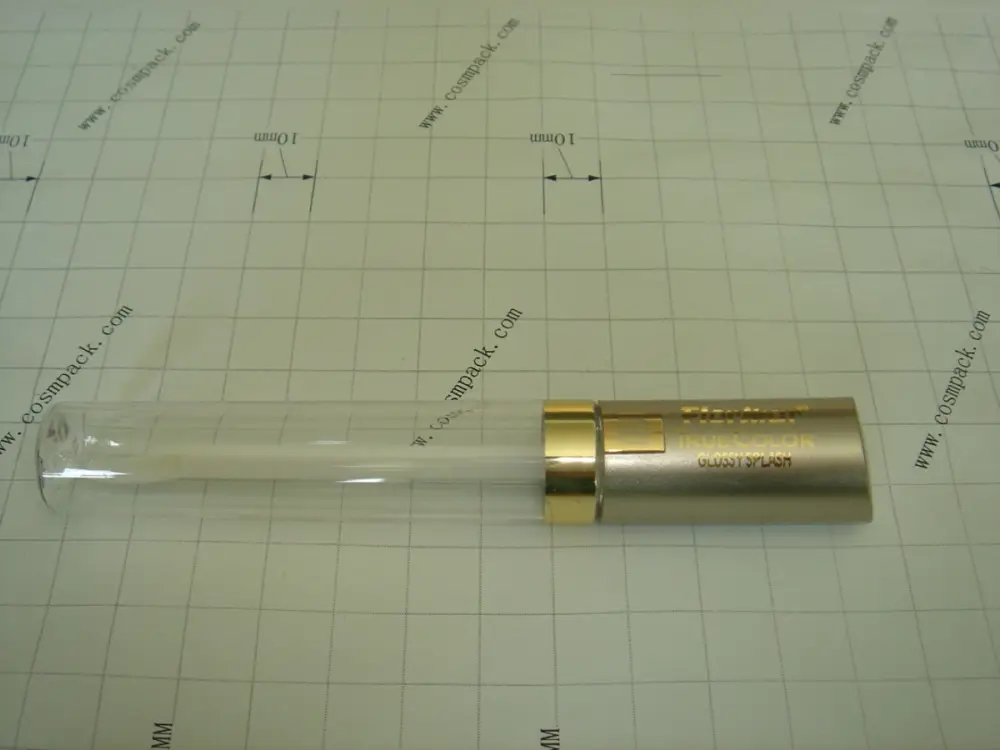
The documentation standard we keep on every order — like a bilingual EN/CN inspection report with caliper-grade measurement — is exactly the kind of paper trail PPWR demands. Starting now means time to test materials, validate designs, and lock PCR supply before bottlenecks force rushed, premium-priced decisions.
Start Your Compliance Journey
Get a free compliance assessment for your current packaging, or request a quote for sustainable alternatives.
Compliance information on this page is a summary of public regulations as of August 2026, provided for general guidance only — it does not constitute legal advice. Rules change and differ by market; always verify current requirements with official sources for your specific products and markets.