
PCR Cosmetic Packaging: What the Spec Sheet Says, and What It Does Not
A PCR PET bottle begins with two letters on a specification: PET / PCR. They tell a buyer that the bottle can be made from post consumer recycled packaging material rather than virgin resin. They do not tell the buyer how much recycled content is in the bottle, where it came from, or what documentation comes with it. Those are separate questions, and on most spec sheets they are unanswered.
On our PET bottle page, 24 of the 180 formats name PCR in their material field — 23 print PET/PCR and one prints PCR alone — while 155 print PET. That split is the starting point. This article is about what the split does and does not mean when you are writing a brief.
PCR cosmetic packaging is a material option, not a grade
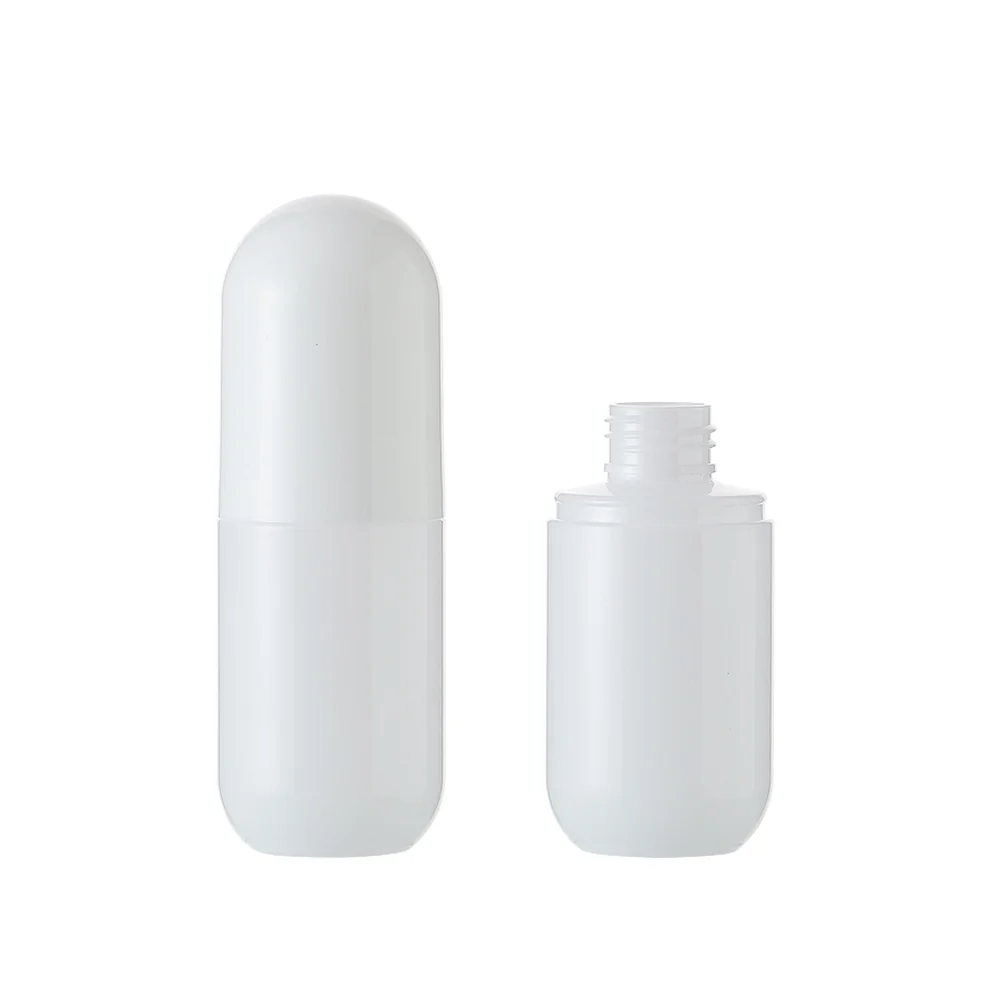
The PET bottle material column on these 180 formats has two main values — PET and PET/PCR — with one format printed as PCR alone. There is no percentage beside any of them, no source, and no certificate reference. The page reproduces the material exactly as the source states it, which is the honest thing to do — but it means the buyer has to read the letters as an option, not as a specification of recycled content.
That distinction matters because "PCR" is used in the market to cover a wide range. A recycled PET cosmetic bottle described as PET/PCR can be made with a small share of recycled content or a large one, and the material column alone will not tell you which. The number that a sustainability claim rests on is the recycled content percentage, and it is not on this sheet.
PCR cosmetic packaging, then, is the first question in a conversation rather than the answer. The next three sections are the questions worth asking.
What the 24 PCR formats have in common
| Neck as printed | PCR formats |
|---|---|
| 24/410 | 16 |
| 18/415 | 2 |
| 28/410 | 2 |
| 20/410 | 1 |
| 20 mm bayonet | 1 |
| 28 mm | 1 |
| 32/400 | 1 |
The 24 formats run from 10 ml to 500 ml, with one page printing a 60–120 ml family in a single card. The 24/410 neck dominates, as it does across the whole PET page, which makes sense: it is the neck most closures are built around. A buyer who needs a PCR bottle and already has a 24/410 pump has the widest choice.
The formats that print PET and those that print PET/PCR sit in the same range and, in several cases, the same families. The source presents both materials as options on its own pages. That is not a statement that any mould can switch freely between them; it is a statement that the range covers both, and the switch is a question for the quotation.
Three questions the sheet does not answer
| Ask | Why the answer changes the project |
|---|---|
| What percentage of the resin is post-consumer recycled content? | The material column says PET/PCR, not how much PCR. The percentage is what a claim would rest on. |
| What documentation comes with the batch? | A recycled-content figure needs a document behind it. Ask what is issued and by whom before you plan a claim. |
| What colour and clarity limits apply to the recycled resin? | The sheet does not say how the recycled resin behaves next to virgin resin. Ask before you plan a clear or colour-matched bottle. |
There is a fourth question that belongs with these: how the recycled resin behaves in colour and clarity next to virgin resin, and whether the recycled content changes the wall thickness or the drop performance the format was designed for. The page prints capacity, neck, height and diameter; it does not print a performance figure, and a material change is exactly the kind of change that should be confirmed on a sample rather than assumed from a data sheet.
None of this makes PCR a harder material to specify. It makes it a material that needs three more lines in the brief than virgin PET does. Buyers who write those lines get an answer they can use; buyers who write only "PCR" get a bottle and a question mark.
What PCR means for the formula
PCR is a bottle-material question, but the formula team has to answer part of it. The material field names the bottle; it does not name the pump, the cap, the inner plug or the liner. If the brief is "a PCR bottle", the closure can still be virgin resin, and the buyer should say whether that is acceptable or whether the whole pack has to carry recycled content.
Three things belong in the formula brief: which parts touch the product — usually the bottle and the inner plug, not the outer cap; whether the recycled resin batch is consistent enough for the colour and odour the formula needs; and what migration or compatibility document the supplier issues for the resin. None of the three is on the format card, and none of them can be inferred from "PET/PCR".
The direction of the market is clear — recycled content is moving from a marketing line to a procurement field — but the sheet has not caught up. A buyer who writes the three lines above gets a usable answer; a buyer who writes only "PCR" gets a bottle and a question.
How to write the brief
Start from the format and the neck, because those are printed. Add the capacity the fill needs, not only the nominal size on the card. Then add the PCR lines: percentage, documentation, colour expectation. Finally, say whether the bottle has to match a virgin-PET bottle already in the line, because a match is a different brief from a new launch.
If the answer to the percentage question is "we will confirm", that is a real answer at quotation stage. What is not workable is a brief that treats PET/PCR as a synonym for a fixed recycled content and plans a claim on it. The sheet does not support that reading, and neither does this page.
Where the figures come from
The 180 formats are published on the PET bottle page, each card printing the closure, capacity, height, diameter and material the source states. The collection page carries the same formats grouped by capacity, and the size index lists them by dimension. The counts in this article are taken from those published cards, so the material split can be checked against the page.
Every bottle in the collection is made to order. Order quantity is 10,000–20,000 pieces per format per colour; lower quantities for repeat customers can be discussed case by case and are not a standard offer. Sampling is free of charge with the international courier at the customer's cost. If PCR cosmetic packaging is part of your brief, send the format, the fill volume and the recycled-content figure you need. We will tell you which formats print PET/PCR, and which of the three questions above the quotation has to answer. Start an enquiry →