
PET vs Glass vs PP Cosmetic Packaging: A Buyer's Guide
There is no single best cosmetic packaging material — the right choice depends on your formula, your positioning, and the market you sell into. PET is light and clear, glass feels premium, and PP is durable and mono-material-friendly. This guide compares them on the factors that actually move your margins and your launch date.
The Quick Comparison
| Material | Best For | Key Traits |
|---|---|---|
| PET | Bottles, jars | Clear, lightweight, widely recycled, food-grade |
| Glass | Premium / heritage lines | Premium feel, inert, fully recyclable, heavier |
| PP | Caps, closures, jars | Chemical-resistant, durable, mono-material friendly |
| AS / SAN | Crystal-clear components | Excellent transparency and stiffness |
PET — Light, Clear, and Recyclable
PET is the workhorse of cosmetic packaging. It's transparent — ideal for showing product color — lightweight, which cuts shipping cost, and it already flows through mainstream recycling. With rPET options it also satisfies the PCR content mandates heading into 2030. The downside: it reads mass-market rather than luxury, so high-end positioning usually looks elsewhere.
Glass — The Premium Statement
Glass signals premium and is chemically inert — it won't react with your formula. It's endlessly recyclable and, unusually, endlessly reusable. The trade-offs are real: higher weight (shipping cost), higher breakage risk, and a higher unit price. Choose glass for serums, premium creams, and heritage lines where the unboxing moment justifies the cost.
PP — Durable and Compliance-Friendly
PP offers excellent chemical resistance and durability, which is why it dominates closures, jars, and internal components. Because it's a single material, mono-PP designs are easy to recycle — a real advantage under EU PPWR's 2030 recyclability rules. It's also highly moldable for complex shapes and handles hot-fill temperatures better than PET.
The Products Behind the Materials
Materials live in products. This catalogue lipstick case is a typical PS/SAN/ABS plastic build:
How We Inspect Either Way
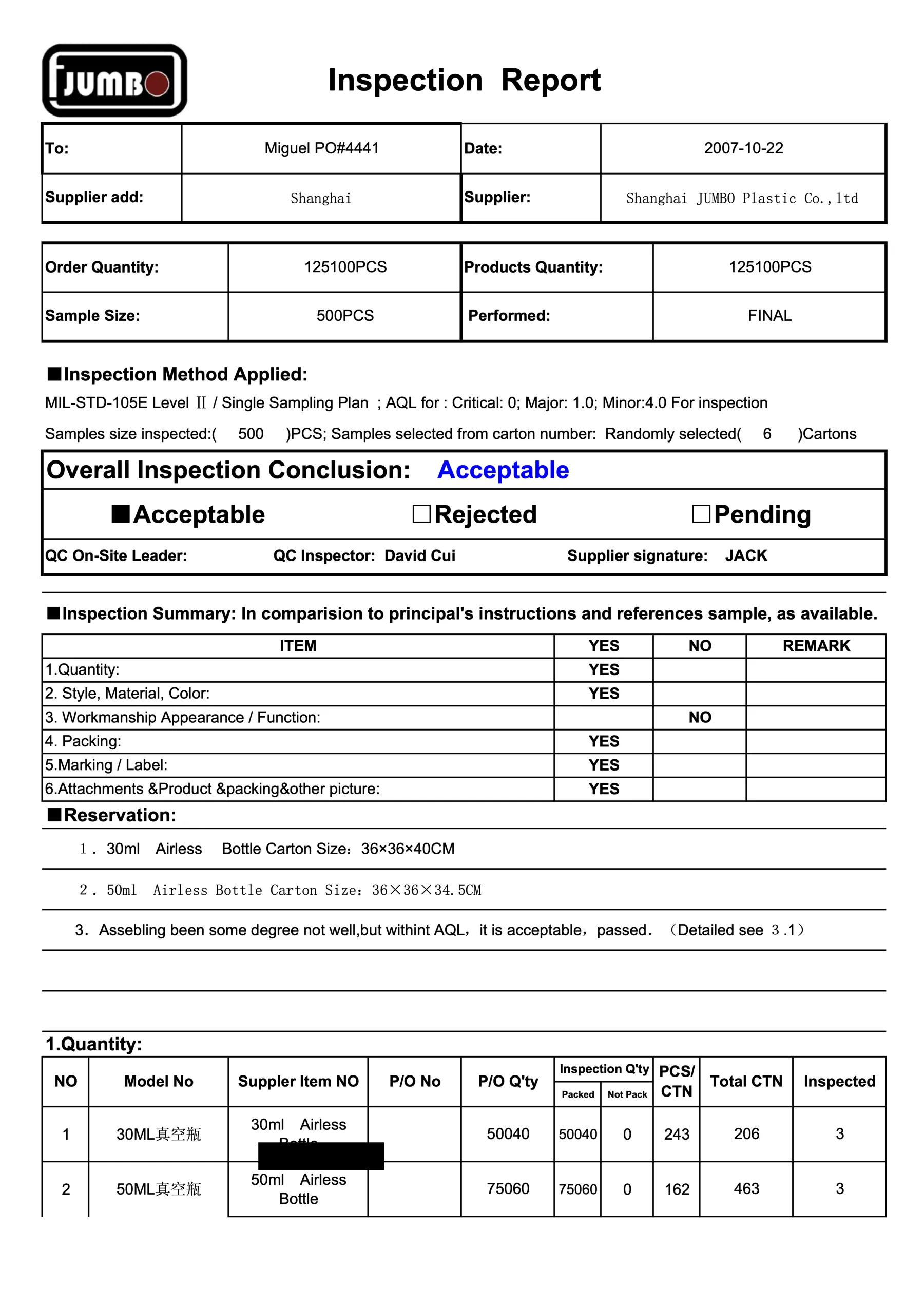
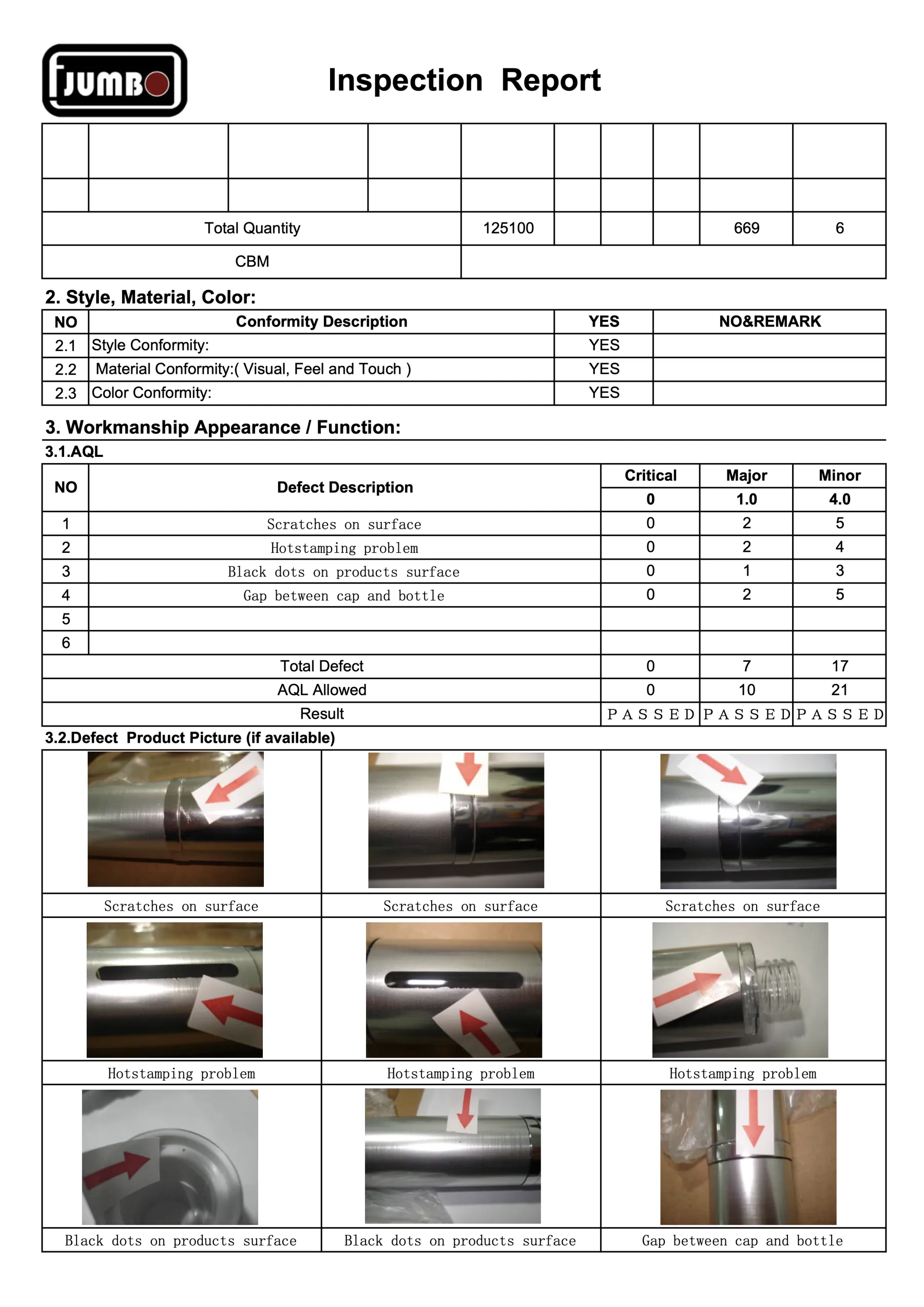
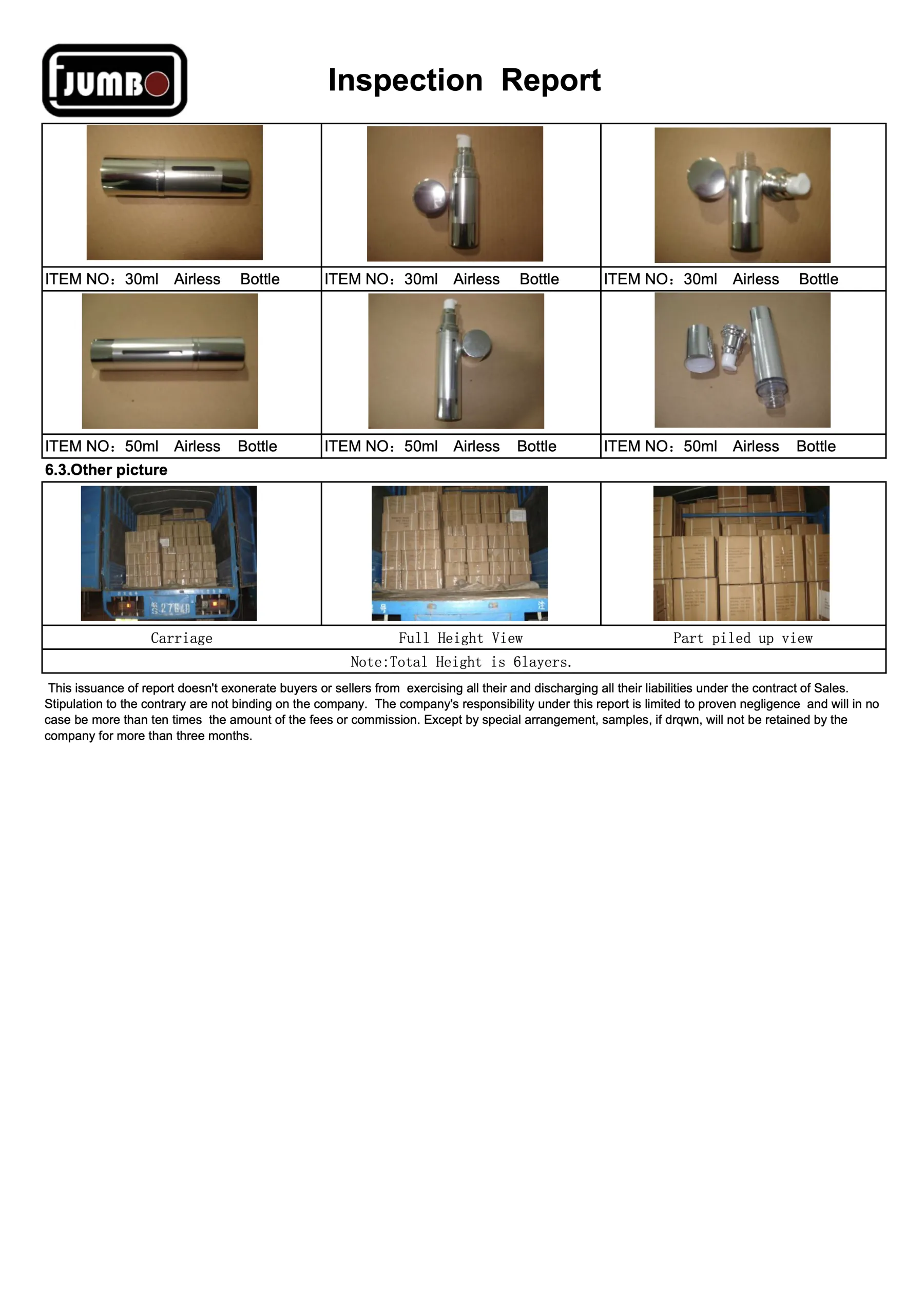
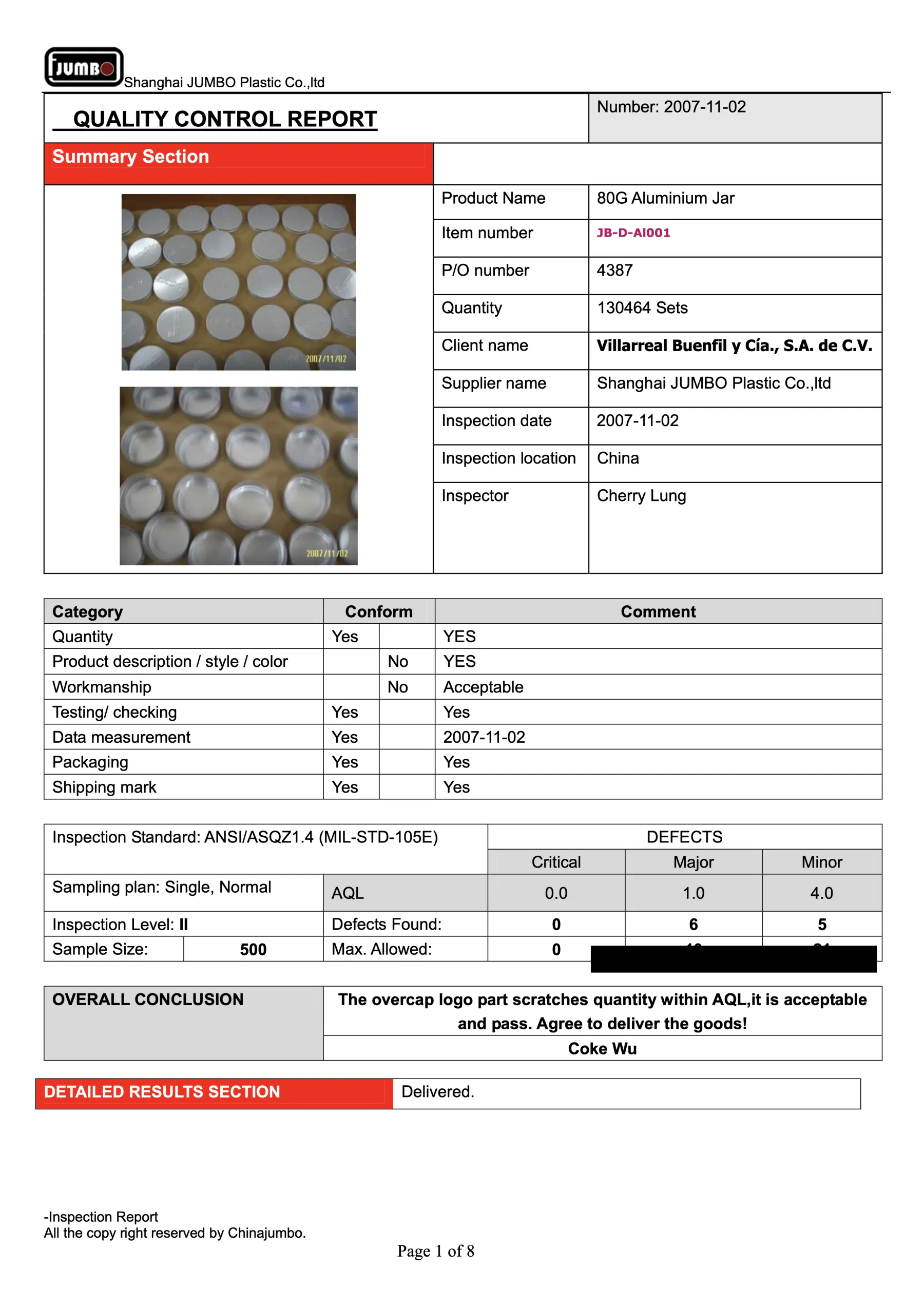
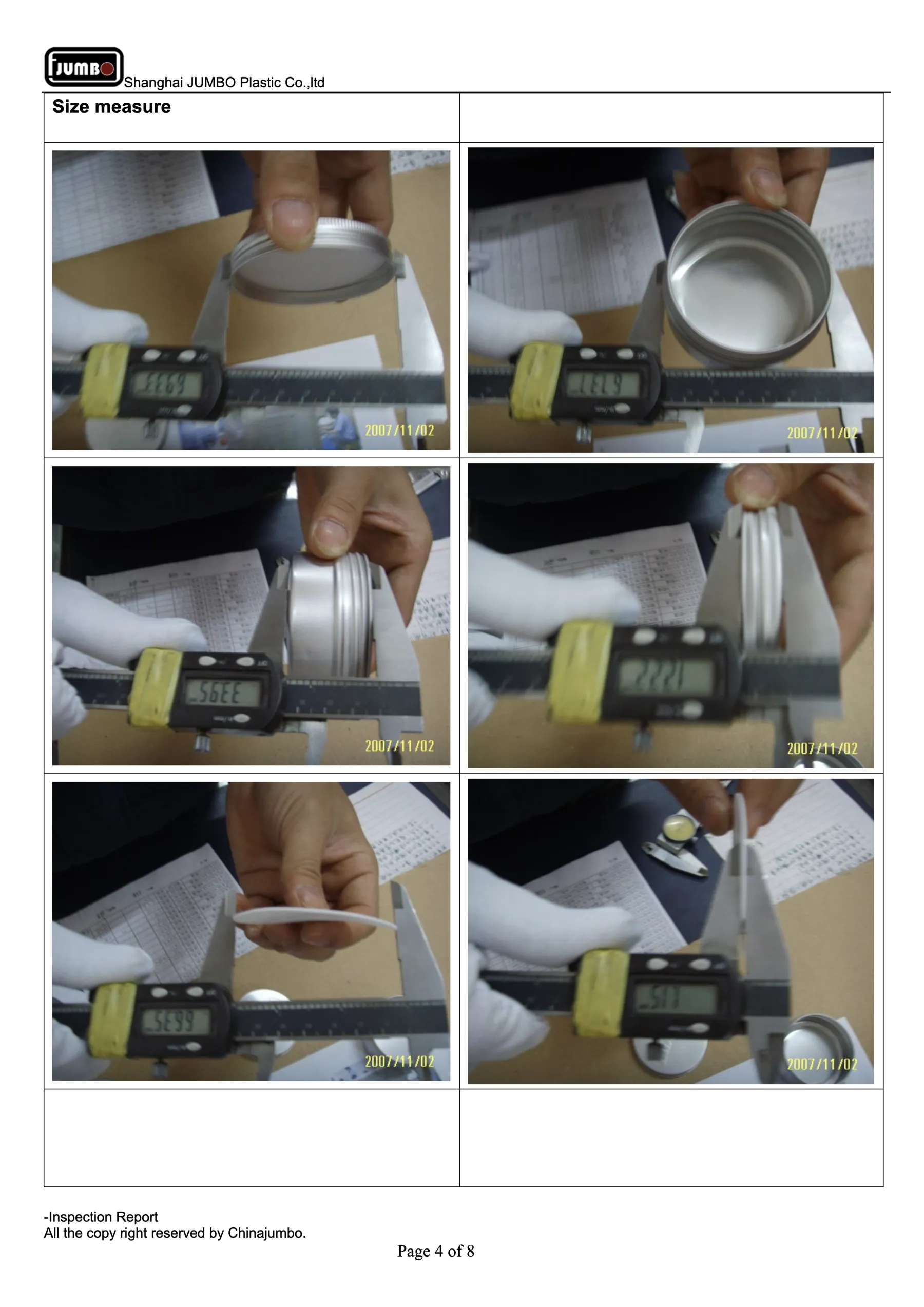
Whatever the material, the inspection standard doesn't change. Here are two real archived orders — plastic airless bottles and an aluminium jar — both inspected to ANSI/ASQ Z1.4 with caliper-grade measurement to 0.02 mm:
| Year | Order | Quantity | Verdict | Result |
|---|---|---|---|---|
| 2007 | 30ml / 50ml Airless Bottles | 125,100 pcs | PASSED | Sample 500 pcs from 6 cartons |
| 2007 | 80g Aluminium Jar | 130,464 sets | PASSED | AQL found: 6 major / 5 minor· allowed: 10 / 21 |
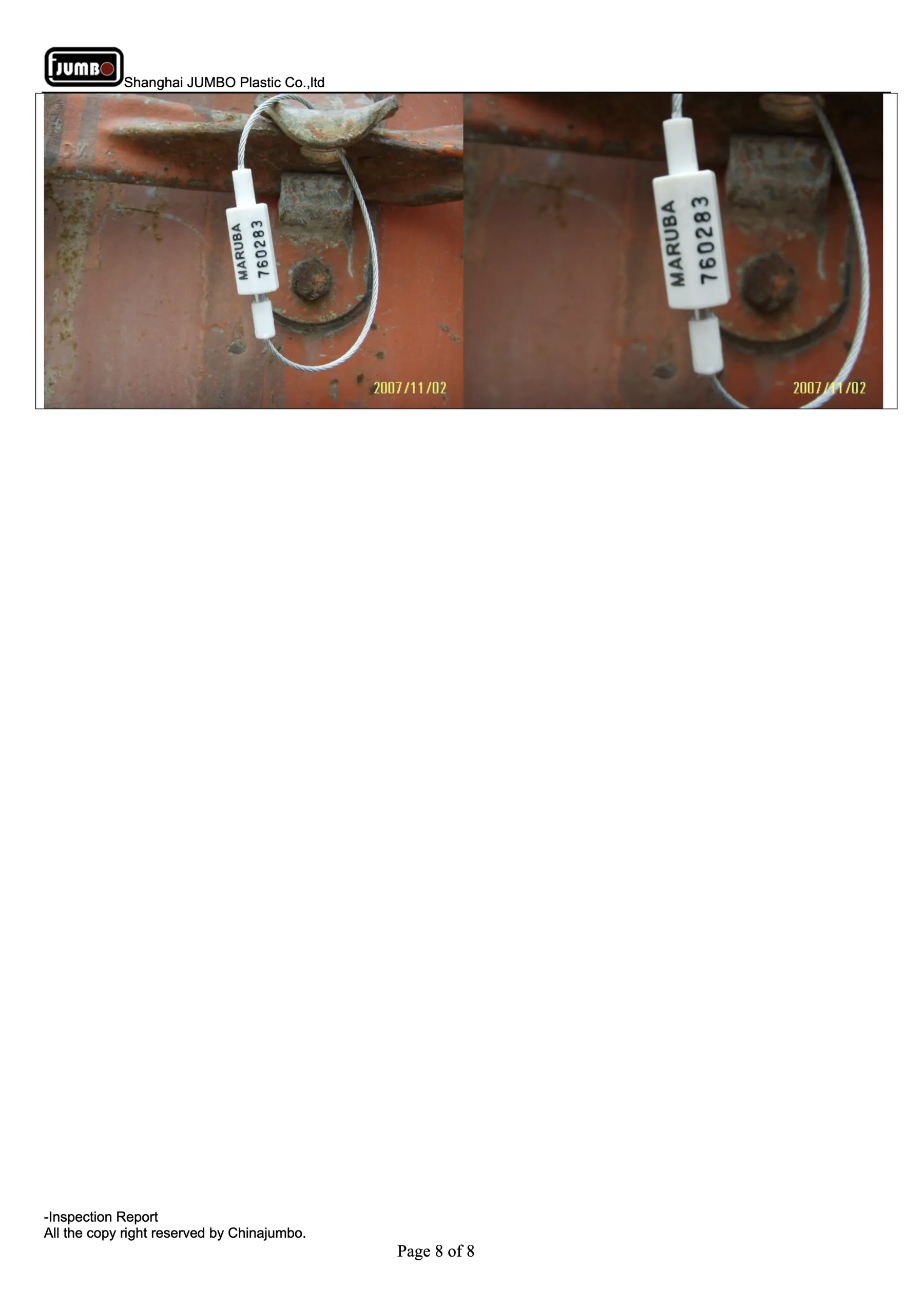
Report pages from our inspection archive:
Not sure which material fits your formula?
Send us your product and we'll recommend the most cost-effective compliant option.